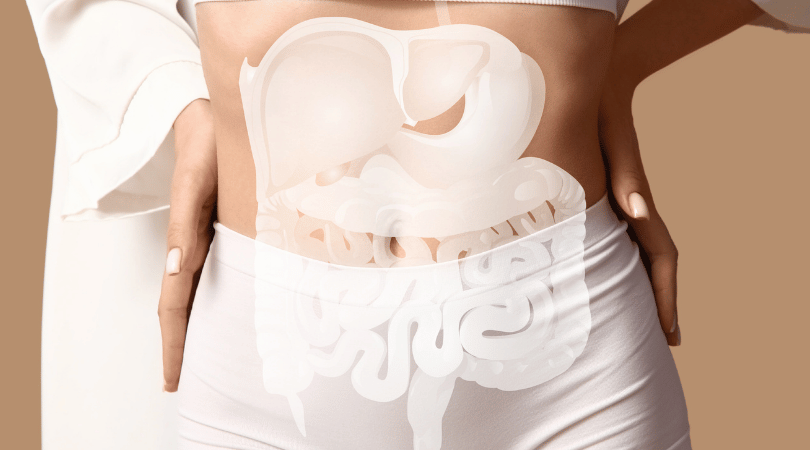





Blood Sugar Swings and Mood Swings: Are They Connected?
One minute you're fine, the next you're crying over a commercial or snapping at your kids. If your moods feel unpredictable, your blood sugar might be the missing piece.
The Blood Sugar Rollercoaster
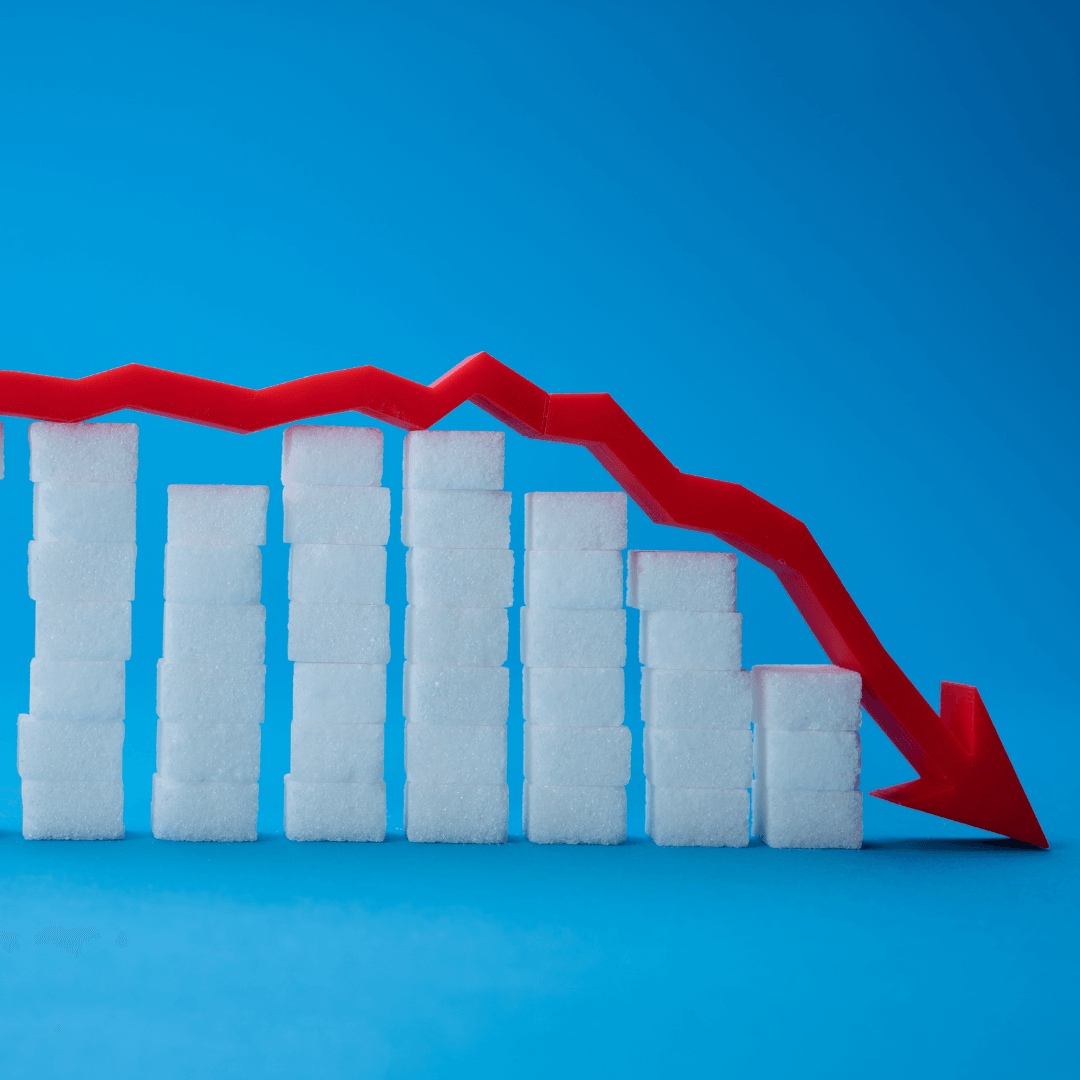
Every time you eat a high-sugar or high-refined-carb meal, your blood sugar spikes, then crashes. That crash triggers your body's stress response—releasing cortisol and adrenaline—which can feel like sudden anxiety, irritability, or even panic.
Signs You're On the Rollercoaster
Mood crashes 1-2 hours after eating
Shakiness or irritability when meals are delayed
Intense sugar or carb cravings mid-afternoon
Energy crashes paired with emotional crashes
The Balanced Plate Approach
The fix isn't cutting carbs completely—it's balancing them. Every meal and snack should include:
Protein (eggs, chicken, Greek yogurt, legumes)
Fiber (vegetables, whole grains, berries)
Healthy fat (avocado, olive oil, nuts)
This combination slows sugar absorption, keeping both your blood sugar and your mood steady for hours instead of minutes.
Other Blood Sugar Stabilizers
Don't skip meals—long gaps lead to bigger crashes.
Move after eating—even a 10-minute walk blunts the blood sugar spike.
Limit liquid sugar (juice, sweetened coffee drinks)—it hits your bloodstream fastest.
Prioritize sleep—poor sleep makes you more insulin resistant the next day.
With the Right Testing & Plan, Hormone Changes Are Very Manageable.

If your moods feel like they're controlled by what (and when) you last ate, it's time to find out what's really happening inside your body. Dr. Julie's 9-Point Stress and Mood Assessment looks at blood sugar patterns alongside hormones and minerals to build you a plan that keeps you steady—mentally and physically.
Want a quick gut check first? Take the Stress Assessment Health Score quiz —it only takes a few minutes.
What Have You Noticed About Your Moods Lately?
Share a message with us. We will get back to you.